
5 Sustainable Clothing Brands for Everyday Wear
Table of Contents
- What Makes a Clothing Brand Sustainable
- Quick Comparison: Sustainable Brands & Key Features
- Best Eco-Friendly Fabrics for Daily Wear
- How to Build a Sustainable Capsule Wardrobe
- Sustainable Fashion Certification Standards to Trust
- Cost-Per-Wear Analysis: Why Quality Matters
- Care, Repair & End-of-Life: Extending Your Wardrobe's Life
- Frequently Asked Questions
Last Updated: September 3, 2026
What Makes a Clothing Brand Sustainable
A sustainable clothing brand prioritizes environmental responsibility, ethical manufacturing, and transparency throughout its supply chain. True sustainability means creating pieces designed to last in durability and style, rather than contributing to fast fashion's throwaway culture. It encompasses fair labor practices, reduced waste, thoughtful design, and honest communication about production methods.
Sustainable brands focus on quality over quantity, selecting materials that minimize environmental impact while ensuring garment workers receive fair compensation and safe working conditions. What distinguishes genuinely sustainable brands from greenwashing is transparency: they openly share where garments are made, who makes them, and what materials they use. Many also prioritize slow fashion principles, creating timeless designs that encourage lasting wardrobes rather than constant trend-chasing.
Quick Comparison: Sustainable Brands & Key Features
Building a strong sustainable wardrobe starts with understanding which brands align with your values and lifestyle needs.
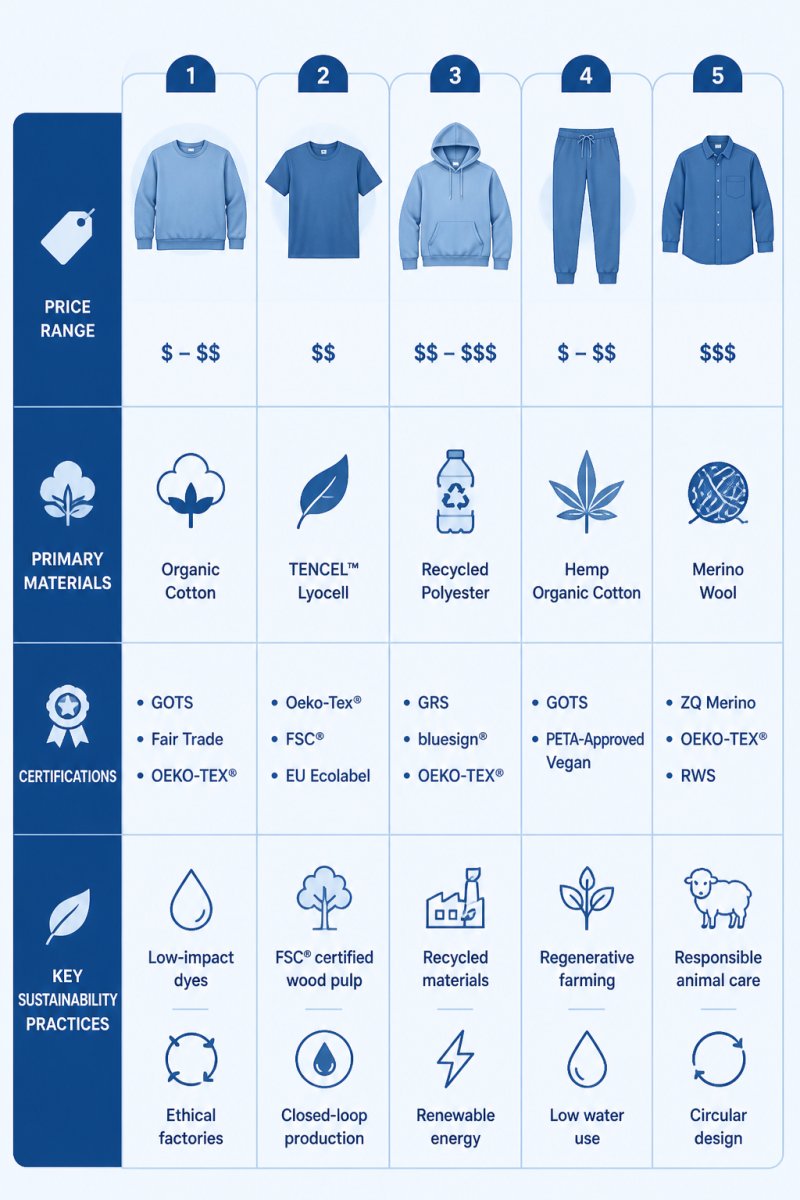
| Brand | Price Range | Primary Materials | Key Certifications | Best For |
|---|---|---|---|---|
| Alana Kay Art | $122-$404 | Linen, cotton, satin polyester blends | Limited-edition, artist-designed | Bold, statement-making everyday pieces |
| Brand B | $80-$250 | Organic cotton, TENCEL | GOTS, Fair Trade | Classic basics and essentials |
| Brand C | $60-$200 | Recycled polyester, hemp | B Corp, Fair Trade | Budget-conscious sustainable shoppers |
| Brand D | $100-$350 | Organic linen, deadstock fabric | GOTS, Fair Trade | Minimalist, neutral wardrobes |
| Brand E | $90-$280 | Organic cotton, recycled materials | Fair Trade, OEKO-TEX | Versatile layering pieces |
Alana Kay Art stands out by combining sustainability with artistic expression. Each piece is crafted from original artwork and commissioned illustrations, creating limited-edition apparel that inspires confidence and individuality. The brand's focus on bold color and thoughtful design means you're investing in conversation-starting pieces rather than forgettable basics, a core principle of sustainable fashion that encourages longer garment lifecycles through emotional attachment.
The Straight Leg Pants with Pockets exemplify this philosophy. Crafted from luxurious satin fabric with practical pockets and elastic waist, these pants blend comfort with elegance at $154, designed for everyday wear while maintaining sustainable fashion quality standards.


Best Eco-Friendly Fabrics for Daily Wear
Choosing the right materials is fundamental to building a sustainable wardrobe. Eco-friendly fabrics reduce environmental impact through lower water consumption, fewer chemical inputs, and biodegradable properties compared to conventional textiles.
Organic cotton stands as a cornerstone of sustainable fashion. Grown without synthetic pesticides or fertilizers, it requires significantly less water than conventional cotton and supports healthier soil and farming communities (peer-reviewed research). For everyday wear, organic cotton delivers softness, breathability, and durability ideal for t-shirts, basic tops, and casual pieces that see frequent washing.
Linen and linen-cotton blends offer excellent sustainable options. Linen production requires minimal water and no synthetic pesticides, and the fabric is completely biodegradable. Its natural strength means garments last longer, and the material becomes softer with each wash, encouraging long-term wear. The Button Up Blouse in Linen at $356 demonstrates how linen-cotton blends create versatile pieces that transition from casual weekends to polished weekday looks.

Recycled polyester diverts plastic waste from landfills while requiring significantly less energy to produce than virgin polyester. TENCEL and modal fabrics, made from sustainably managed wood pulp using closed-loop production processes, offer softness comparable to silk while maintaining lower environmental impact (lenzing.com). Hemp requires minimal water and no pesticides, regenerates soil health, and is incredibly durable, working best for structured pieces like jackets and pants.
Deadstock fabric, surplus materials from larger manufacturers that would otherwise become waste, represents an often-overlooked sustainable option. This approach aligns perfectly with the limited-edition philosophy that defines sustainable fashion and encourages slower, more intentional consumption.
How to Build a Sustainable Capsule Wardrobe
A capsule wardrobe is a curated collection of versatile, high-quality pieces that work together to create numerous outfits. Building a sustainable capsule means intentionally selecting items that reflect your lifestyle and values while minimizing waste.
Start by assessing your actual life. What do you wear most often? What are your professional requirements? A sustainable capsule reflects reality, not aspirational Pinterest boards. This intentionality prevents purchasing items that sit unworn.
Choose a neutral color palette as your foundation. Neutrals like black, white, navy, gray, and beige create a cohesive base where pieces naturally coordinate. The Wide Leg Pants with Elastic Waist at $154 in neutral tones provides a sophisticated silhouette that pairs with countless tops and works across seasons.
Add statement pieces that reflect your personality. The Reversible Bomber Jacket at $388, available in five unique prints, transforms everyday basics while offering versatility through its reversible design. One investment piece creates multiple outfit combinations.
Invest in quality basics that work across your wardrobe. Well-made basics in natural fibers like organic cotton or linen age beautifully and can be mended if needed. The Sleeveless Star Top at $122 offers playful personality in a basic format.
Build layering pieces that extend seasonality and versatility. The Long Sleeve Mesh Top at $178 layers effortlessly under dresses or over tanks. The Wild Rag Scarf Square in Silk Cotton at $82 adds texture and personality while serving practical purposes.
Include bottoms in multiple silhouettes that suit your body and lifestyle. The Elastic Waist A Line Skirt in Linen at $404 provides an alternative to pants while maintaining breathable comfort. Functional pockets and elastic waistbands ensure pieces work for real life.
Select pieces that transition through seasons via layering and styling versatility. Lightweight linen pieces layer under jackets in cooler months. Mesh tops work solo in summer and under sweaters when temperatures drop.
Sustainable Fashion Certification Standards to Trust
Navigating sustainability claims requires understanding which certifications carry real meaning. Third-party certifications provide accountability and verification that brands meet specific environmental and ethical standards.
GOTS (Global Organic Textile Standard) represents one of the most rigorous certifications for organic fiber production and processing. GOTS certification requires that organic cotton is grown without synthetic pesticides, that processing facilities meet strict environmental standards, and that garment workers receive fair wages and safe working conditions.
Fair Trade certification ensures that garment workers receive fair compensation and work in safe conditions. Fair Trade standards cover wages, working hours, freedom of association, and safe working environments. Brands displaying Fair Trade certification have undergone independent audits confirming compliance. sustainable everyday jewelry.
B Corp certification indicates that a company meets high standards for social and environmental performance, accountability, and transparency. B Corp certified brands have undergone rigorous assessment and commit to considering the impact of their decisions on workers, customers, suppliers, and the community.
OEKO-TEX Standard 100 certification focuses on chemical safety in textiles, verifying that fabrics are tested and proven free of harmful substances. This certification is particularly important for items in direct contact with skin.
TENCEL certification comes from Lenzing, the company producing the fabric. TENCEL is made from sustainably managed wood pulp using a closed-loop production process that recovers and reuses 99% of solvents.
When evaluating brands, look for multiple certifications rather than relying on a single seal. Be cautious of vague claims like "eco-friendly" or "sustainable" without specific certifications backing them up.
Cost-Per-Wear Analysis: Why Quality Matters
Cost-per-wear analysis reveals why investing in quality sustainable pieces makes financial sense. This framework calculates the true cost of a garment by dividing its purchase price by the number of times you wear it.
A fast fashion item costing $30 that falls apart after five wears results in a cost-per-wear of $6. A sustainable piece costing $150 worn 100 times over five years results in a cost-per-wear of $1.50 (the NIH). The sustainable piece costs five times less per wear despite the higher upfront price.
Quality sustainable pieces encourage longer wear cycles through superior construction and timeless design. Well-made seams don't unravel. Quality fabrics like linen and organic cotton maintain their appearance through repeated washing. The Straight Leg Pants with Pockets at $154 illustrate this principle, with elastic waist and satin fabric providing comfort for frequent wearing and a classic silhouette that remains current.
Emotional connection significantly impacts wear frequency. Pieces you love get worn more often. Limited-edition, artist-designed pieces from brands like Alana Kay Art create emotional attachment that encourages regular wear. A $300 statement piece worn twice weekly delivers far better cost-per-wear than a $50 basic worn monthly.
Before buying, honestly assess how many times you'll wear a piece. Does it work with your existing wardrobe? Does it match your lifestyle? The Sleeveless Ruffle Blouse in Linen at $298 pairs with the matching A-line skirt and layers under jackets, creating multiple outfit combinations that maximize wear frequency.
Quality sustainable pieces hold resale value, further improving cost-per-wear. Well-maintained items from reputable brands retain 40-60% of their original value on resale platforms.
Care, Repair & End-of-Life: Extending Your Wardrobe's Life
Proper care and repair practices extend garment lifespan significantly, amplifying the sustainability benefits of quality pieces. A garment worn and maintained for five years instead of one delivers five times the value and reduces environmental impact per wear.
Read and follow care labels carefully. The Button Up Blouse in Linen benefits from gentle washing to preserve fabric integrity. The Wild Rag Scarf in Silk Cotton specifies dry cleaning only, protecting the silk component. Following these instructions prevents premature wear.
Wash less frequently to extend garment life. Many items can be worn multiple times between washes. Airing out garments between wears refreshes them without water and detergent. This approach reduces water consumption and minimizes fabric stress.
Learn basic repair skills. Reattaching buttons, fixing small tears, and reinforcing seams prevent minor issues from becoming reasons to discard garments. Many communities offer sewing circles or repair workshops.
Quality tailoring adjusts fit as your body changes, preventing otherwise wearable pieces from being discarded. This approach proves especially valuable for investment pieces like the Reversible Bomber Jacket at $388.
When garments reach end-of-life, consider responsible disposal options. Textile recycling programs accept worn-out clothing and break down fibers for reuse. Donation passes wearable pieces to others, extending their useful life. Some brands offer take-back programs where you return worn pieces for recycling.
Building a sustainable wardrobe that reflects your personal style and values requires intentional choices about quality, materials, and brand alignment. Alana Kay Art demonstrates that ethical fashion doesn't mean sacrificing style or individuality. Pieces like the Wide Leg Pants with Elastic Waist at $154 and the Elastic Waist A Line Skirt in Linen at $404 prove that sustainable everyday wear combines comfort, quality, and thoughtful design. Start with one investment piece that makes you feel confident, build your capsule intentionally around it, and watch how a smaller, more intentional wardrobe delivers greater satisfaction and better economics than endless fast fashion consumption.
Frequently Asked Questions
How can I tell if a clothing brand is truly sustainable?
Look for transparent supply chain information, third-party certifications (Fair Trade, GOTS, B Corp), and documented labor practices. Genuine sustainable clothing brands disclose where garments are made, what materials are used, and how workers are treated. Greenwashing is common, so verify claims through independent certifications rather than relying on brand marketing alone. Check for specific details about water conservation, low-impact dyes, and waste reduction practices.
What are the best eco-friendly fabrics for daily wear?
Organic cotton, linen, hemp, and Tencel are top choices for everyday clothing. Organic cotton eliminates synthetic pesticides and uses less water than conventional cotton. Linen is durable, biodegradable, and requires minimal processing. Hemp grows quickly without pesticides and produces strong, long-lasting fabric. Tencel is made from sustainably harvested wood using closed-loop production that recycles 99% of solvents. Recycled polyester and deadstock fabric also reduce environmental impact by repurposing existing materials.
How do I build a sustainable capsule wardrobe without breaking the bank?
Start with versatile basics in neutral colors that work together: quality pants, simple blouses, and layering pieces. Choose timeless designs over trends so pieces remain relevant for years. Invest in durable, natural fabrics that withstand frequent washing. Mix higher-quality staples with affordable pieces. Focus on cost-per-wear: a $200 jacket worn 100 times costs $2 per wear, while a $50 jacket worn 5 times costs $10 per wear. Prioritize pieces that coordinate with multiple outfits to maximize combinations from fewer items.
What sustainable fashion certifications should I look for?
Fair Trade Certified ensures garment workers earn fair wages and work in safe conditions. Global Organic Textile Standard (GOTS) verifies organic fiber content and prohibits harmful chemicals. B Corp certification means the company meets high standards for social and environmental performance. OEKO-TEX Standard 100 confirms textiles are free from harmful substances. Look for these third-party seals on product labels or brand websites. Brands displaying multiple certifications demonstrate deeper commitment to sustainable practices across their supply chain.
Why does sustainable clothing cost more than fast fashion?
Sustainable brands pay fair wages to garment workers, invest in ethical manufacturing, use higher-quality materials, and often produce in smaller quantities. Fast fashion keeps prices low by cutting corners on labor standards and material quality, resulting in clothing that wears out quickly. When you calculate cost-per-wear over time, sustainable pieces often cost less overall because they last longer. Additionally, sustainable production involves lower-impact dyes, water conservation, and waste reduction, all expenses that fast fashion avoids.
Leave a comment