
Is Capsule Wardrobe Living Actually Sustainable?
Last Updated: November 18, 2026
Quick Summary
A capsule wardrobe is a tool, not a guarantee of sustainability. Whether it lowers your footprint depends on what you buy, how long you keep it, and what you would have purchased instead, since a fast-fashion capsule refreshed seasonally can carry a heavier impact than a larger wardrobe of durable pieces.
- A garment's footprint is front-loaded, so extending how long you use what already exists is the highest-impact move.
- A capsule built from new fast-fashion items can increase footprint because the production impact is paid upfront.
- A seasonal capsule refresh can quietly turn a capsule wardrobe into fast fashion with better marketing.
- The 3-3-3 rule has no environmental meaning; judge a capsule by fiber, construction, and wear counts.
- You can capture most of the benefit without a new purchase by tracking wears, repairing, swapping, and buying secondhand first.
Table of Contents
- Capsule Wardrobe Environmental Impact: What the Evidence Shows
- Capsule Wardrobe Pros and Cons for the Environment
- The Rebound Effect: Can a Capsule Wardrobe Encourage Overconsumption?
- How to Build a Sustainable Capsule Wardrobe That Actually Reduces Impact
- The 3-3-3 Rule Capsule Wardrobe: A Useful Constraint or a Marketing Gimmick?
- Capsule Wardrobe vs. Other Clothing Habits: A Direct Comparison
- Build a Wardrobe You Will Actually Wear: Choosing Pieces That Last
- Frequently Asked Questions
Capsule Wardrobe Environmental Impact: What the Evidence Shows
Is capsule wardrobe living actually sustainable? A capsule wardrobe is a tool, not a guarantee. The capsule concept has moved from a niche styling exercise into a mainstream sustainability claim, and the two are not the same thing.
The logic sounds clean: fewer clothes, more wears per item, less waste. In practice, the savings come from specific mechanisms that can be undermined. Below, we break down where the environmental case holds up, where it falls apart, and how to build a capsule that genuinely lowers your impact.
Where the Savings Come From: Fewer Garments, More Wears
The core environmental argument for a capsule wardrobe rests on two levers: buying fewer items and wearing each one far more often. Both reduce the resources tied to clothing production and disposal.
A garment's footprint is front-loaded. Most of the energy, water, and fiber production happens before you ever wear the piece.
The second lever is wear frequency. If a capsule forces you to build outfits around a small number of pieces, each piece earns more wears, which spreads its impact across more uses. That is the entire mechanism.
The Lifecycle View: Production, Use, and Disposal
A lifecycle view is the only honest way to judge whether a wardrobe is sustainable, because clothing's impact is spread across three stages: production (fiber growing, spinning, dyeing, assembly), use (washing, drying, care), and disposal (resale, donation, recycling, or landfill).
Most capsule content focuses only on production, which is a mistake. A cheap capsule of fast-fashion basics can carry a heavy production footprint and then shed microfibers in the wash for years.
Capsule Wardrobe Pros and Cons for the Environment
The environmental case for a capsule wardrobe is real but conditional.
Pros, and why they hold:
- Fewer purchases lower production demand over time, because a garment's footprint is front-loaded in fiber, dyeing, and assembly.
- Higher wear frequency per garment lowers impact per use, since the same production footprint is spread across more wears.
- A smaller wardrobe is easier to inspect, repair, and store, which supports longer use.
- Intentional shopping slows the decision cycle, making it easier to choose durable pieces and secondhand options.
- A shared color story makes secondhand and swap finds easier to integrate, because new-to-you pieces already match.
Cons, and the mechanism behind each:
- A capsule built from new fast-fashion items can increase footprint, because the production impact is paid upfront and the pieces may not last.
- "Buying a capsule" can become another form of consumption, especially when a seasonal refresh is framed as maintenance.
- Neutral, trend-proof pieces are often synthetic blends, which shed microfibers during washing over the garment's life.
- Capsules are harder to maintain for people with varied dress codes, changing sizes, disability-related clothing needs, or limited laundry access, and a capsule that does not fit real life gets abandoned and replaced.
- Durable clothing often costs more upfront, which puts the lowest-impact option out of reach for some budgets.
The accessibility and budget angle competitors skip. A capsule assumes a stable climate, a predictable dress code, reliable laundry, and enough upfront cash to buy quality, none of which are universal.
A low-waste transition that does not require buying a new capsule. You can capture most of the benefit without a single new purchase.
The takeaway: a capsule is only as sustainable as the pieces inside it, the behavior behind it, and whether it fits the life you actually live.
The Rebound Effect: Can a Capsule Wardrobe Encourage Overconsumption?
Yes, and this is the part most capsule guides skip. The rebound effect is when an efficiency gain gets canceled out by increased consumption elsewhere.
Watch out: a seasonal capsule refresh can quietly turn a capsule wardrobe into fast fashion with better marketing. If you are replacing your capsule every few months, consumption may not have actually fallen.
The fix is behavioral, not aesthetic. Treat the capsule as a multi-year framework, not a seasonal subscription.
How to Build a Sustainable Capsule Wardrobe That Actually Reduces Impact
A sustainable capsule wardrobe is built around longevity, versatility, and honest wear counts, not a specific number of items. The goal is a set of pieces you will actually wear for years, in enough combinations that you stop wanting more.
Start with what you own. Count what you wear in a month, set aside what you never reach for, and identify the real gaps. Then buy slowly, favoring natural fibers, construction you can repair, and colors that work across your existing pieces.
Choose Versatile Pieces That Mix and Match
Versatility is what makes a small wardrobe work. A handful of pieces that combine into many outfits beats a large wardrobe of one-look items. Look for tops and bottoms that share a color story and formality level, so each piece multiplies the others.
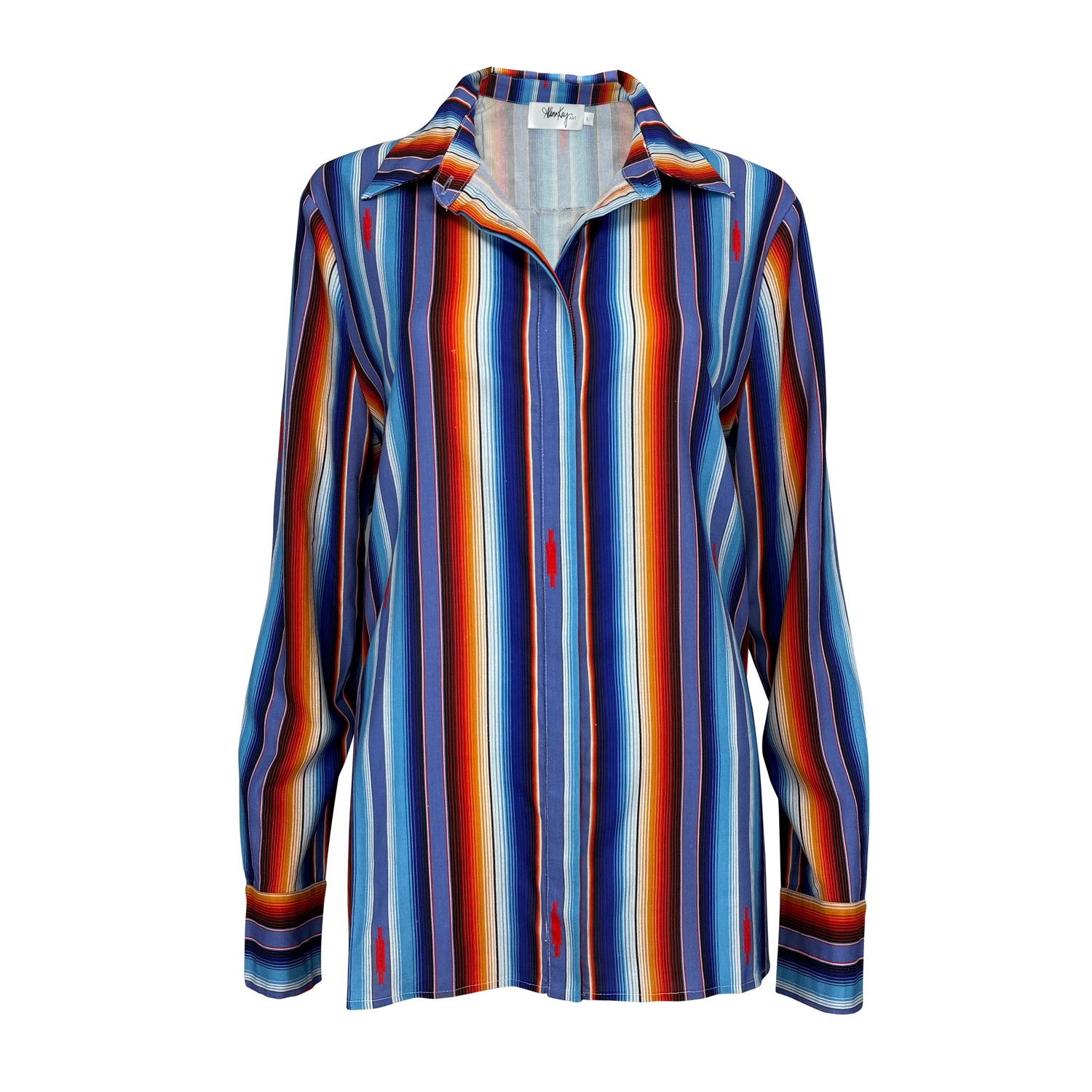
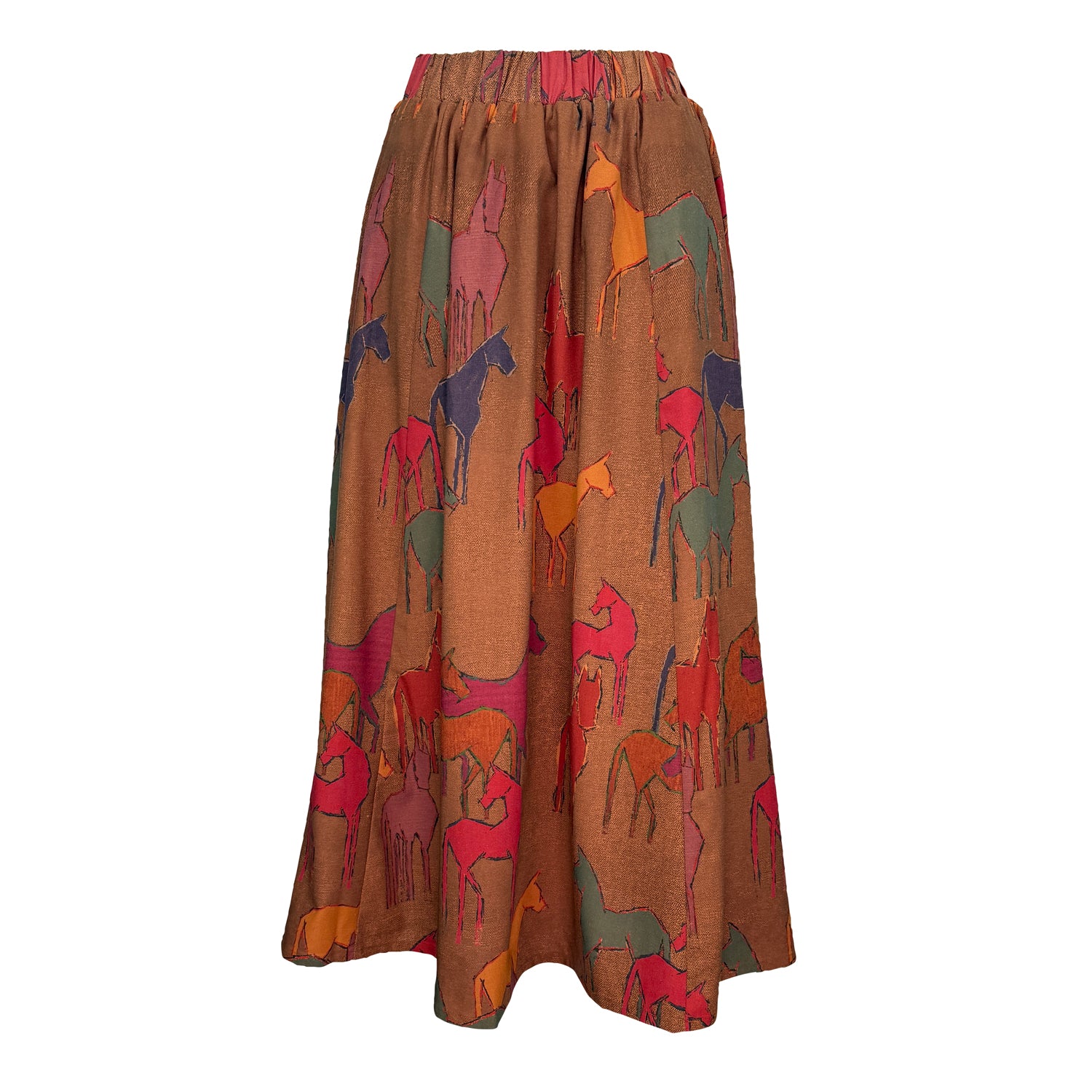
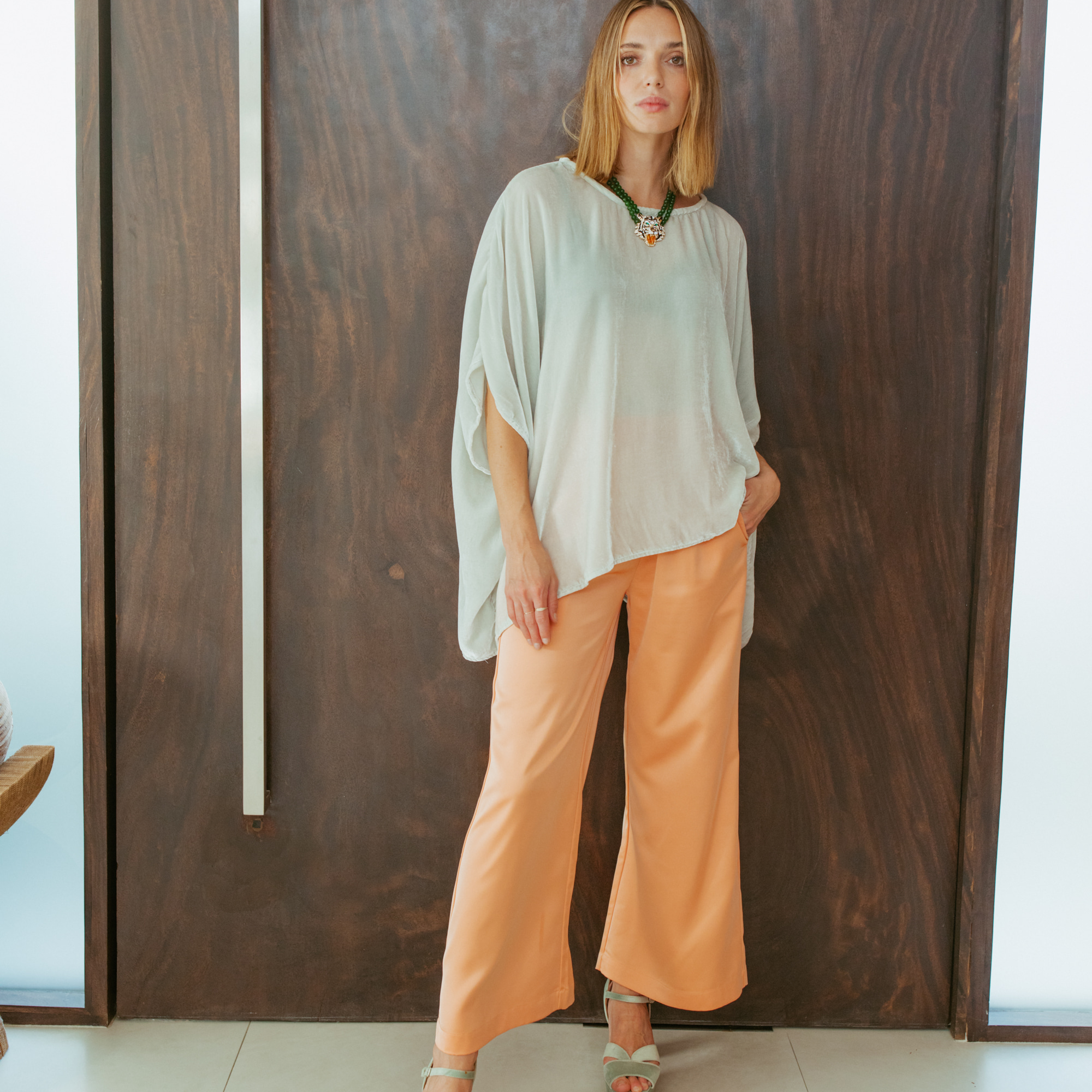
Concrete examples from our collection show how this works. The Button Up Blouse - Linen in a breathable linen-cotton blend layers under a jacket or wears solo, and it pairs with the matching skirt for an easy set. The Elastic Waist A Line Skirt - Linen adds a relaxed, flattering option with functional pockets, and it coordinates with both the button-up and a sleeveless blouse. For bottoms that move between casual and dressy, the Wide Leg Pants with Elastic Waist drape gracefully with practical side pockets.
Prioritize Durability and Garment Care
Durability is the quiet engine of sustainability. A piece worn for years spreads its production impact across hundreds of wears. A piece that pills or tears after a season wastes everything that went into it.
Care matters as much as construction. Wash less often, use cooler water, air-dry when you can, and repair small issues before they become replacements. Satin and linen both reward gentle handling. If you want a durable everyday bottom, the Straight Leg Pants with Pockets in satin polyester offer a smooth feel with an elastic waist and ankle length.
The 3-3-3 Rule Capsule Wardrobe: A Useful Constraint or a Marketing Gimmick?
The 3-3-3 rule capsule wardrobe is a styling constraint: roughly three tops, three bottoms, and three pairs of shoes, combined into a set number of outfits. As a creativity exercise, it is genuinely useful. It forces you to see how few pieces can make many looks.
As a sustainability claim, it is mostly marketing. The number three has no environmental meaning. A 3-3-3 capsule of cheap synthetics refreshed every season is worse than a larger wardrobe of durable natural-fiber pieces kept for a decade.
Capsule Wardrobe vs. Other Clothing Habits: A Direct Comparison
A capsule wardrobe is not automatically the most sustainable clothing habit available.
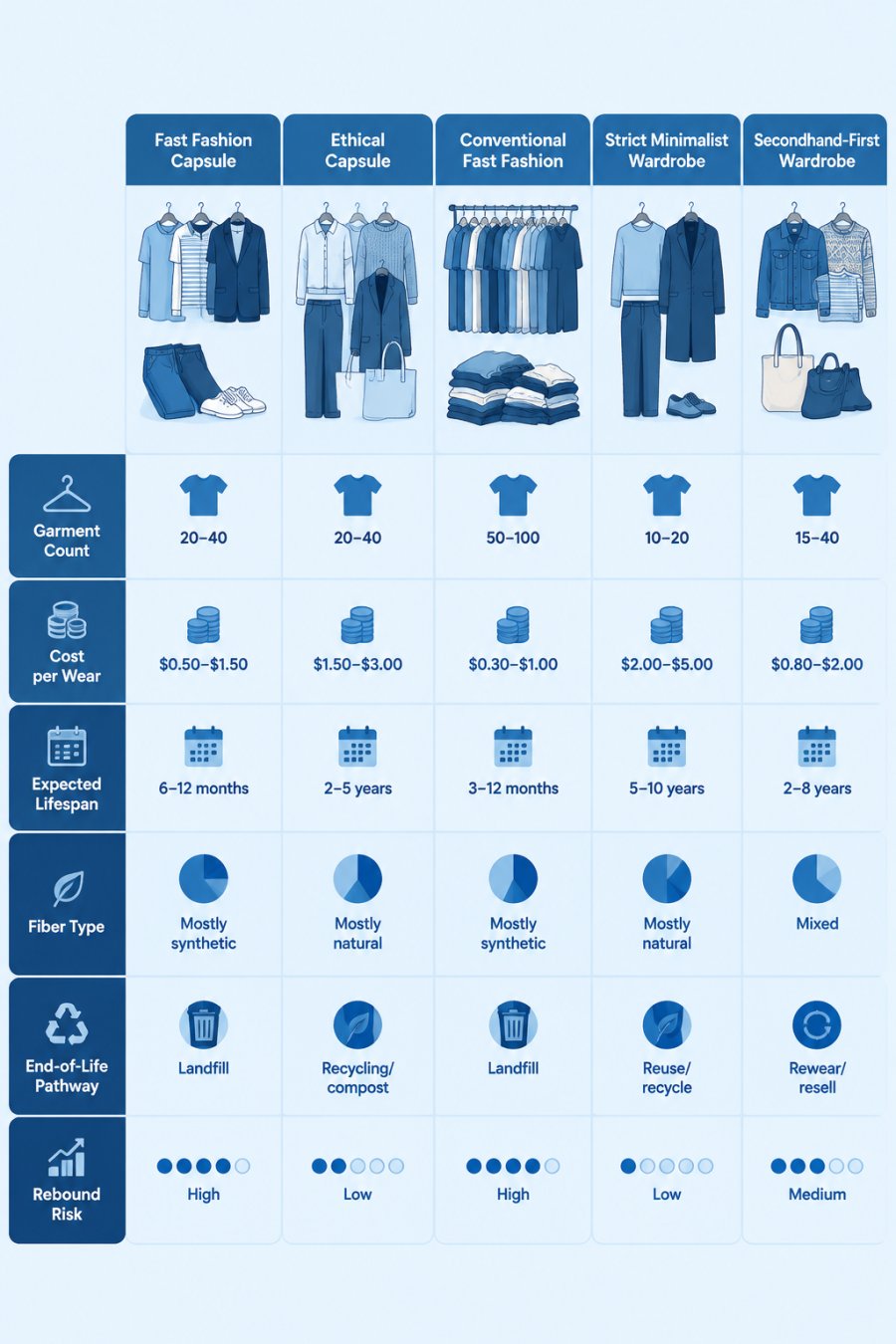
Here is how the main habits stack up on those criteria, using a transparent worked example rather than a tidy verdict.
| Habit | Garments added per year (example) | Wears per garment | Years in use | End-of-life pathway | Rebound risk |
|---|---|---|---|---|---|
| Fast-fashion capsule | 20-30, refreshed seasonally | 10-20 | 1-2 | Landfill or donation | High |
| Ethical capsule | 8-12, gap-filling only | 60-100 | 5-10 | Resale, repair, then donation | Low |
| Conventional fast fashion | 40-60, constant turnover | 5-10 | Under 1 | Landfill | High |
| Strict minimalist wardrobe | 3-6 | 100+ | 5+ | Repair, resale | Low, but hard to sustain |
| Secondhand-first wardrobe | Varies, mostly resale | 40-80 | 3-8 | Resale, swap, donation | Low to moderate |
How to read the example. Take a baseline of 40 new garments a year at an average of 8 wears each. That is 320 wears spread across 40 items. An ethical capsule that adds 10 garments a year at 80 wears each produces 800 wears from a quarter of the purchases. The environmental gain comes from the combination of fewer entries and more wears per item, not from the capsule label. A fast-fashion capsule that adds 25 items a year at 15 wears each produces 375 wears, barely better than the baseline, and it carries a higher rebound risk because the seasonal refresh invites replacement.
Where each habit wins. The ethical capsule wins on lifespan and rebound risk but demands more upfront spending per piece and more patience.
The criteria that decide the outcome. Fiber and construction determine how long a piece can last. Care routine determines whether it actually lasts that long.
Watch out: the comparison can flip if you build a capsule from new pieces you did not need. If you are curious about building a wardrobe around distinctive, non-neutral pieces instead, our guide to where to buy unique colorful clothing covers that path.
Build a Wardrobe You Will Actually Wear: Choosing Pieces That Last
The most sustainable wardrobe is the one you keep wearing, pieces you love enough to reach for daily, made well enough to survive years of use, and versatile enough to combine without effort.
Alana Kay Art offers limited-edition apparel built from original artwork and commissioned illustrations, with a focus on bold color and thoughtful design. Pieces are designed to be collected and worn.
The challenge is simple: most wardrobes grow by accident, and a capsule only helps if every piece earns its keep.
Frequently Asked Questions
What is the 3-3-3 rule capsule wardrobe?
The 3-3-3 rule is a simplified capsule framework: roughly three tops, three bottoms, and three pairs of shoes that mix and match into a small number of outfits. It is a starting constraint, not a sustainability guarantee. A nine-piece capsule made from durable natural fibers and worn frequently can lower your clothing consumption, but the same rule applied to cheap, trend-driven pieces just shrinks the closet without shrinking the impact. Treat it as a styling prompt, then judge the capsule by wear frequency and garment lifespan.
Is a capsule wardrobe actually cheaper in the long run?
It can be, but only if you count cost per wear rather than sticker price. Divide the price of any piece, such as the $356.00 Button Up Blouse - Linen, by the number of times you wear it to compare cost per wear. The trap is rebuilding the capsule every season with new purchases, which resets the math. Track how many times you wear each piece and divide the price by that number. If a garment is not getting worn, the capsule is not saving you money.
Can a capsule wardrobe encourage overconsumption?
Yes, and this is the rebound effect worth watching. Capsule content often sells a specific aesthetic, which pushes readers to buy a whole new set of minimalist pieces and discard a wardrobe that was already functional. The environmental gain only appears when total purchases fall, not when they are reshuffled. If building a capsule means replacing 40 wearable garments with 30 new ones, you have added production and waste. Start by shopping your existing closet before buying anything.
How many clothes do you need for a sustainable capsule wardrobe?
There is no universal number, and any source that gives one is guessing. What matters is that each piece earns its place through frequent wear and holds up over time. A workable approach is to cover your actual weekly needs, then add layers and accessories for range. Choose fabrics that suit your climate and care routine, and favor pieces that combine with several others. A smaller wardrobe of durable, versatile garments beats a larger one of single-outfit items every time.
Is a capsule wardrobe better for the environment than a regular wardrobe?
It depends on what you buy and how long you keep it. Most of a garment's environmental impact comes from production, so extending how long you wear something reduces the impact per wear. A capsule made of well-cared-for pieces and worn for years can outperform a fast-fashion wardrobe that turns over constantly. But a capsule of new cheap items replaced each season can be worse. The deciding factors are total consumption, garment longevity, and how you wash and repair what you own.

Leave a comment