How to Style Vintage Pieces in a Modern Wardrobe
Last Updated: November 12, 2026
Quick Summary
Style vintage pieces in a modern wardrobe by wearing one vintage item at a time and building the rest of the outfit from modern basics and accessories. The three-piece rule pairs one vintage piece, one modern basic, and one accessory so the look stays fresh instead of costume-like.
- Vintage clothing is usually 20 or more years old and reflects the style of its era.
- Swap dated shoes for modern loafers, sandals, or clean sneakers to update a vintage look.
- Match the formality of the vintage piece to the modern piece to avoid a costume feel.
- Budget for one alteration per vintage piece, and walk away if the quote nears the item's price.
- Check seams, lining, fabric weight, and zippers before buying quality vintage clothing.
Table of Contents
- Start With One Vintage Piece and Build Around It
- How to Make Vintage Clothes Look Modern
- Mixing Vintage and Modern Clothing Without a Costume Feel
- Vintage Outfit Ideas by Garment Type and Occasion
- Fit, Tailoring, and Care for Vintage Finds
- How to Shop for Quality Vintage Clothing
- Build a Slow Fashion Wardrobe With Vintage-Inspired Pieces
- Frequently Asked Questions
Start With One Vintage Piece and Build Around It
Learning how to style vintage pieces in a modern wardrobe starts with a simple shift: pick one vintage item, then build the rest of the outfit from modern basics. This guide from Alana Kay Art shows you how to do exactly that, without looking like you raided a costume shop.
The approach works because it keeps the focus on one hero item. A vintage blazer, a silk scarf, or a pair of tailored trousers can anchor an entire look. Everything else stays current and clean.
Why does this matter now? Because slow fashion shoppers want clothes that last, not fast-fashion pieces that fall apart after a few washes. A single well-made vintage find often outlasts five cheap modern buys.
Below, you'll find a practical formula, plus fit, care, and shopping advice.
The Three-Piece Rule for Vintage Outfits
The three-piece rule is simple: wear one vintage item, one modern basic, and one accessory. This balance keeps a look fresh instead of costume-like.
Here is how it breaks down:
- Vintage piece: the star of the outfit, like a floral dress or a structured blazer
- Modern basic: a clean layer, like straight-leg jeans or a plain knit
- Accessory: one finishing touch, like a silk scarf or a modern belt
A common mistake is wearing two or three vintage pieces at once. That is when an outfit starts to feel like a period costume. Keep it to one hero and let the rest of the look breathe.
How to Make Vintage Clothes Look Modern
Vintage clothing is any garment made in a previous era, usually 20 or more years old, that reflects the style of its time. To make it look modern, pair it with current pieces and keep the silhouette clean.
Start with these techniques:
- Swap dated shoes for modern loafers, sandals, or clean sneakers.
- Add a modern waist belt to define the shape.
- Layer a fresh, simple top underneath.
- Keep jewelry minimal and current.
- Press or steam the piece so it looks cared for, not tired.
The goal is contrast. A retro piece next to a current one reads as intentional. A retro piece next to more retro reads as dress-up.
Modern Accessories That Update Vintage Clothing
Accessories do the heavy lifting here. A chunky chain necklace, hoop earrings, or a modern belt can pull an older garment into the present in seconds.
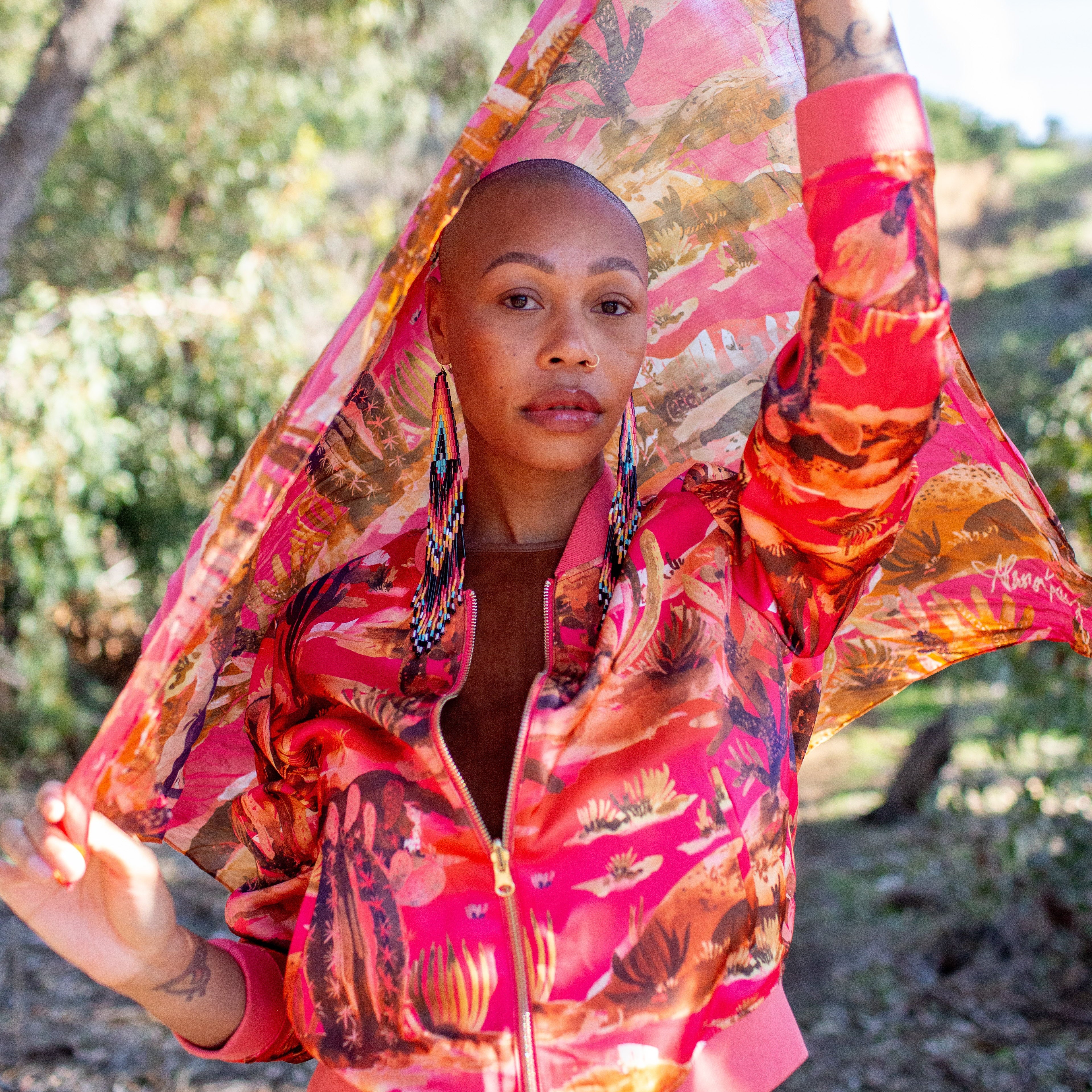
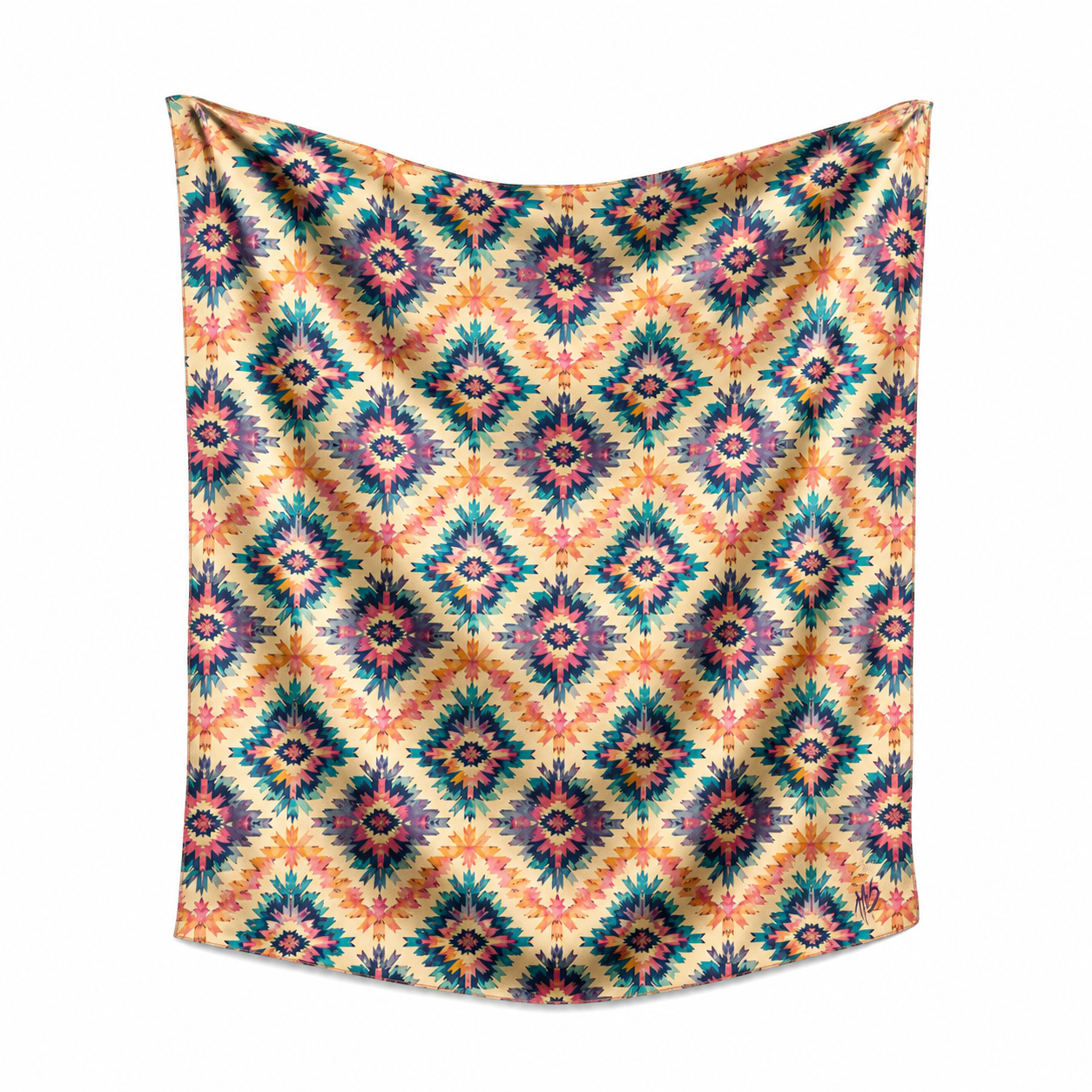
A silk scarf is one of the most versatile tools you have. Worn at the neck, tied to a bag, or wrapped around the hair, it adds color and texture without overpowering the look.
If you want a scarf that feels both classic and current, our Wild Rag Scarf Square - Silk Cotton blends 30% silk and 70% cotton and is dry clean only. For a dressier finish, the Wild Rag Scarf Square - Silk Charmeuse is made from 100% silk charmeuse and is also dry clean only.
Mixing Vintage and Modern Clothing Without a Costume Feel
Mixing vintage and modern clothing works best when you match the formality of each piece. A casual vintage tee pairs well with tailored modern trousers. A formal vintage dress pairs well with a simple modern jacket.
Here is the balance check we use:
- If the vintage piece is loud, keep modern pieces quiet.
- If the vintage piece is plain, let modern accessories add interest.
- If the vintage piece is formal, ground it with a casual modern shoe.
What most guides miss is proportion. A cropped vintage top needs a high-waisted modern bottom. A long vintage skirt needs a fitted modern top. Balanced proportions make the mix look deliberate.
Vintage Outfit Ideas by Garment Type and Occasion
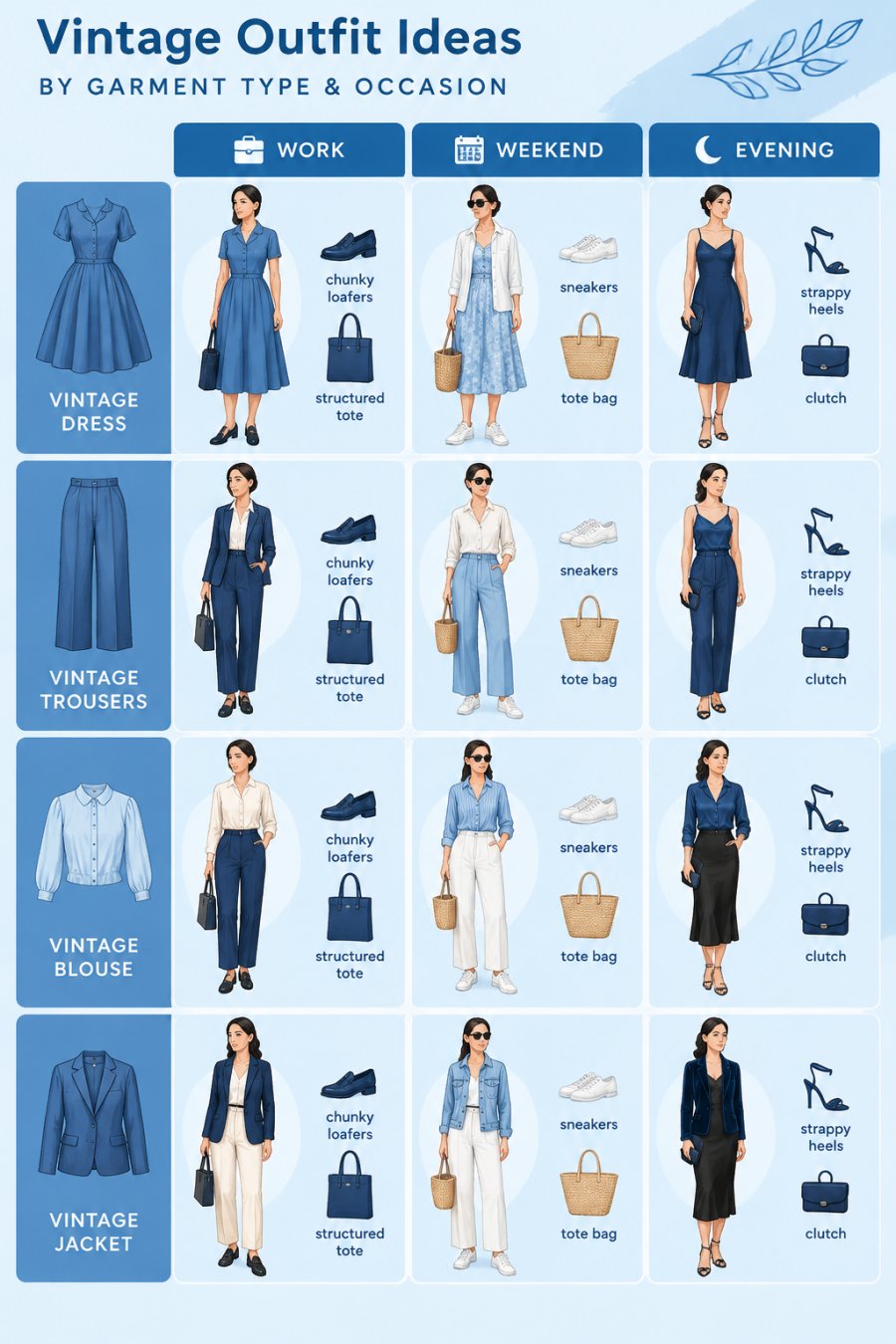
The fastest way to style vintage pieces is to match the garment to the occasion, then apply a repeatable formula: anchor, balance, finish. The anchor is the vintage piece. The balance is the modern piece that controls formality and proportion.
| Vintage Piece | Work | Weekend | Evening |
|---|---|---|---|
| Vintage dress | Blazer and loafers | Sandals and tote | Heels and clutch |
| Vintage trousers | Modern blouse | Knit and sneakers | Silk top |
| Vintage blouse | Tailored skirt | Jeans and flats | Statement earrings |
| Vintage jacket | Midi dress | Tee and denim | Slip dress |
Work formulas. For a vintage dress, add a structured modern blazer and a low chunky loafer; the blazer controls the formality and the loafer keeps it from reading as eveningwear.
Weekend formulas. The goal here is ease. A vintage dress works with flat sandals and a canvas tote. Vintage trousers work with a modern knit and clean sneakers. A vintage blouse works with straight-leg jeans and flats.
Evening formulas. Raise the formality of the modern pieces, not the vintage one. A vintage dress with modern heels and a small clutch reads current. Vintage trousers with a silk top and minimal jewelry work for dinner.
The proportion check. What most guides miss is proportion. A cropped vintage top needs a high-waisted modern bottom. A long vintage skirt needs a fitted modern top. A boxy vintage jacket needs a slim modern bottom.
The formality check. Match the formality of the vintage piece to the modern piece. A casual vintage tee pairs well with tailored modern trousers. A formal vintage dress pairs well with a simple modern jacket.
Vintage Dress With Modern Shoes and a Jacket
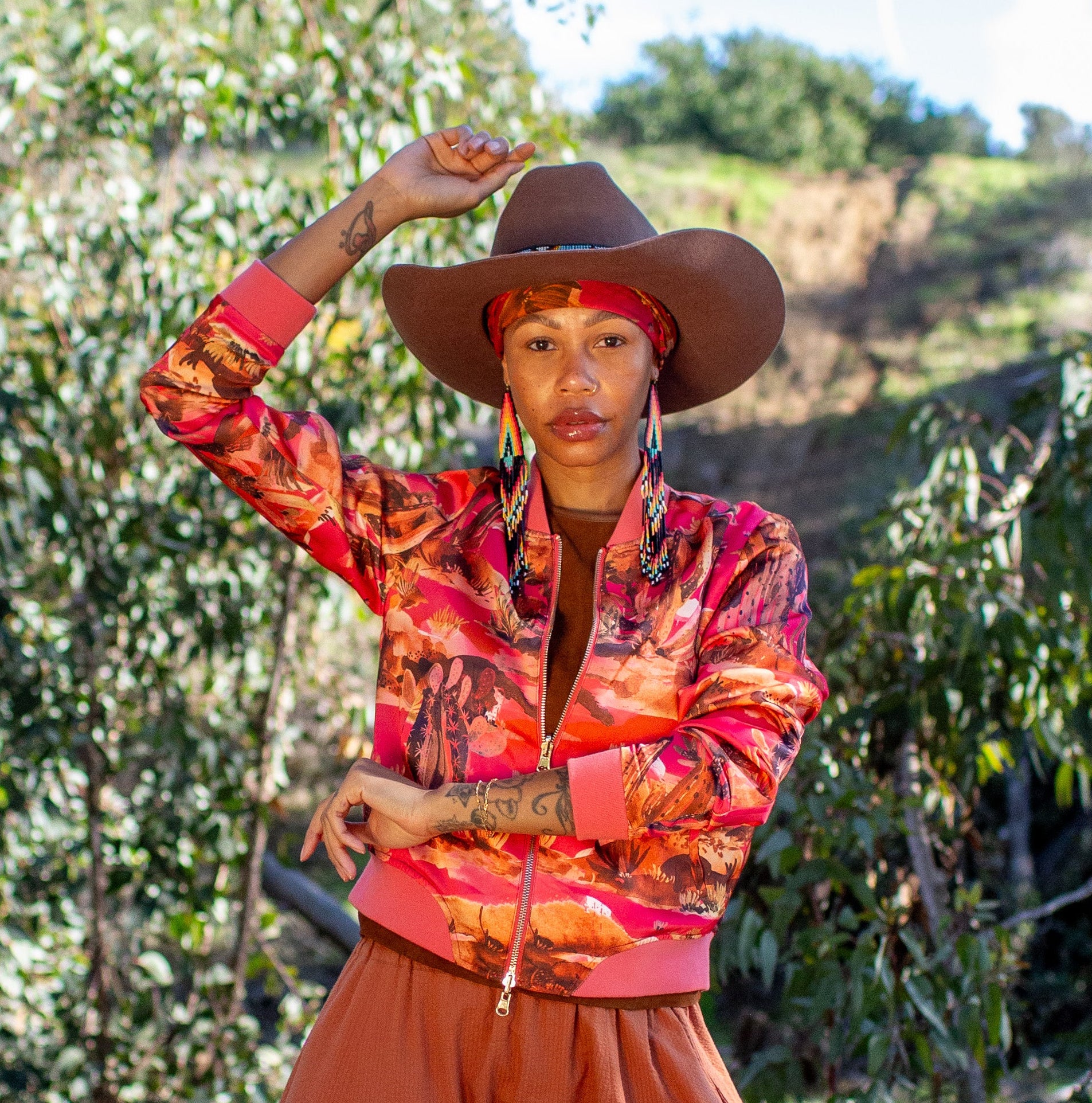
A vintage dress is the easiest piece to modernize. Swap the shoes first. Chunky loafers or clean sandals instantly update the look. Then add a modern jacket on top. A bomber or cropped jacket breaks up the vintage feel and adds structure. Our Reversible Bomber Jacket is a strong option here, with smooth satin fabric and pockets on both sides. It comes in five prints and sizes XS-XL.
Vintage Trousers With a Modern Blouse
Vintage trousers look current when you pair them with a crisp modern blouse. Tuck it in to show the waist and keep the line clean. A linen button-up is a natural match. Our Button Up Blouse - Linen uses a linen-cotton blend, with a relaxed fit and smooth drape.
Fit, Tailoring, and Care for Vintage Finds
Fit is where most vintage outfits succeed or fail. Older garments were cut for different body shapes and different underlayers, so a piece that fits at the shoulders can still gap at the waist or pull across the back. The fix is to assess fit in three zones before you buy or style: shoulders and bust, waist and hips, and length.
Assessing fit against modern proportions. Hold the piece up against a modern garment you already wear well. If the shoulder seam sits more than an inch past your natural shoulder, the piece is likely too big to style cleanly without tailoring. If the waist has more than two inches of ease, a belt can fake the fit, but a tailor will do it better.
What a tailor can and cannot fix. These alterations are commonly requested:
- Taking in a waist or side seam
- Shortening sleeves or hems
- Replacing buttons or a broken zipper
- Adding darts to shape a boxy blouse
These are harder or not worth the cost:
- Rebuilding shoulders on a structured jacket
- Resizing a garment more than one size
- Repairing extensive moth damage or dry rot in old silk
A common pattern is to budget for one alteration per vintage piece. If the quote approaches the price you paid for the item, walk away unless the piece is rare or deeply loved.
Care by fabric type. Check the label first, then treat the fabric, not the era. Wool and silk usually need dry cleaning; cotton and linen can often take a gentle cold wash. Store wool and silk away from damp and direct sun, and use padded hangers for knits so they do not stretch at the shoulders.
Watch out: washing a vintage silk or wool piece in hot water can shrink it permanently, and vintage dyes often bleed in a machine wash even on cold. When in doubt, hand-wash cold or dry clean.
How to Shop for Quality Vintage Clothing
Shopping for quality vintage clothing means checking construction, not just style. Look at seams, lining, and fabric weight before you buy.
Use this checklist:
- Seams are tight with no loose threads
- Lining is intact and not torn
- Fabric feels substantial, not thin or scratchy
- Zippers and buttons work smoothly
- No major stains, moth holes, or fading
- Label or tag is legible
A common mistake is buying for the label alone. Condition matters more than brand. A well-kept no-name piece often outlasts a damaged designer find.
When you're ready to shop, our guide to where to buy unique colorful clothing covers the best spots for quality vintage and one-of-a-kind pieces.
Build a Slow Fashion Wardrobe With Vintage-Inspired Pieces
Slow fashion is a buying approach that prioritizes quality, longevity, and ethical production over fast, cheap turnover. Building around vintage and vintage-inspired pieces fits that mindset perfectly.
Start with a small core of versatile items:
- One statement jacket
- One pair of well-fitted trousers
- One silk scarf or accessory
- One modern blouse that layers easily
These pieces mix and match across seasons. You buy less, wear more, and build a wardrobe that lasts.
Building a wardrobe around vintage pieces takes patience, but the payoff is a look that feels personal and lasts for years. At Alana Kay Art, we design limited-edition apparel from original artwork and vintage influences, so each piece is made to be collected and worn. Our bold prints, thoughtful materials, and artist-driven designs help you stand out without chasing trends. Explore the collection and find a piece that feels like you.
Frequently Asked Questions
How do you mix vintage and modern clothes without looking like you're in costume?
Keep the vintage to one or two pieces per outfit and let modern basics carry the rest. A vintage blouse with current straight-leg jeans and clean sneakers reads as personal style, not dress-up. Swap out anything that signals a specific decade too strongly, like a full retro accessory set, and choose one modern anchor: a trendy belt, chunky loafers, or a structured jacket. Balanced proportions matter too. If the vintage piece is voluminous, keep the modern half fitted, and the reverse.
How many vintage pieces should you wear in one outfit?
One statement vintage piece plus one supporting vintage item is a reliable ceiling for most outfits. A vintage dress with modern sandals works. A vintage dress, vintage bag, vintage scarf, and retro jewelry together usually tips into costume territory. If you want to wear more vintage, keep the color palette tight and the silhouettes modern so the eye reads a cohesive outfit rather than a collection of eras.
What modern pieces go well with vintage clothing?
Modern basics do most of the work: plain tees, straight-leg jeans, a crisp button-up, chunky loafers, clean sandals, and a modern waist belt. Accessories are the fastest update, so try hoop earrings, a chunky chain necklace, or a structured bag against an older garment. A modern jacket over a vintage dress changes the whole read. Alana Kay Art's reversible bomber jacket is one example of a current layer that pairs easily with vintage finds.
How do you choose vintage clothing that fits a modern wardrobe?
Shop for quality and fit before era. Check seams, lining, and fabric weight, and look for natural fibers that have held up. Try pieces that already match your current color palette so they slot in without new purchases. Budget for alterations, since fit often decides whether a vintage find gets worn. If you are unsure, start with accessories like a silk cotton wild rag scarf.

Leave a comment