
7 Ways Fast Fashion Drops Harm the Environment in 2026
Last Updated: November 18, 2026
Quick Summary
Fast fashion drops harm the environment because each scheduled release compresses design, production and shipping into weeks, driving overproduction, returns and unsold stock before anything sells. The waste starts upstream: brands commit to large production runs before demand is known, then mark down, liquidate or landfill what does not sell.
- Dyeing and finishing are among the most water- and chemical-intensive stages of garment production.
- Synthetic textiles shed microplastics during washing that wastewater systems do not capture.
- Ask brands for production volume, collection frequency and unsold-stock disclosure before trusting sustainability claims.
- Cost per wear divides purchase price by expected wears, so a $30 top worn five times costs $6 per wear.
- Limited-edition linen pieces like the Button Up Blouse at $356.00 are designed to be kept, not replaced.
Table of Contents
- What Is Fast Fashion and How Do Drops Fit In
- How Is Fast Fashion Made? Inside the Rapid Production Cycle
- Fast Fashion Environmental Impact Statistics That Matter
- Why Frequent Drops Create Waste Before Anything Sells
- Water, Chemicals and Microplastics: The Hidden Footprint
- Solutions to Fast Fashion That Actually Reduce the Damage
- Choosing Limited-Edition Pieces You Will Actually Keep
- Frequently Asked Questions
What Is Fast Fashion and How Do Drops Fit In
Fast fashion is a retail model built on rapid production of trend-led collections, sold cheaply and replaced often, with fast fashion drops driving the cycle. The environmental impact of fast fashion drops begins with the drop itself: a scheduled release designed to make yesterday's inventory feel obsolete. Limited-edition pieces made to be kept are the opposite kind of product. A drop compresses the entire supply chain into weeks, and every stage carries a cost.
The Anatomy of a Fashion Drop
A drop is a release event, not a design milestone. A typical drop follows a fixed sequence:
- Trend signal captured from social media and runway feeds
- Design compressed into days rather than months
- Rapid production booked with little room for correction
- Marketing built around scarcity and urgency
- Release, sell-through push, then markdown or disposal
The urgency is the product. Shoppers buy because the window is short, not because the garment is better made.
How Is Fast Fashion Made? Inside the Rapid Production Cycle
Fast fashion is made through a compressed garment production cycle in which design, sampling, manufacturing, and shipping are squeezed into a fraction of the traditional timeline. The textile supply chain runs on synthetic textiles and low-cost labor, with quality checks trimmed to hit release dates.
The sequence looks like this:
- Design: trend-led collections sketched in days, often copying runway looks
- Sampling: minimal, sometimes skipped entirely
- Fabric sourcing: plastic-based fibers chosen for cost and speed
Each shortcut saves money and adds environmental footprint. Fabric that skips durability testing becomes clothing waste faster.
Fast Fashion Environmental Impact Statistics That Matter
Most guides to fast fashion's environmental impact lead with dramatic statistics that are rarely traced to their sources, and the methodology often turns out shakier than the headline suggests. This section explains where the commonly cited numbers come from, why they disagree, and how to read them without dismissing the harm or overstating the precision.
Where the Headline Numbers Come From
The most repeated figures trace back to a small number of industry reports and peer-reviewed estimates. The Ellen MacArthur Foundation's 2017 report "A New Textiles Economy" is widely cited for several claims about textile production and waste.
Estimates of fashion's share of global carbon emissions vary widely, which illustrates the core problem: studies draw the industry boundary differently. Does "fashion" include only apparel, or also footwear, accessories, and home textiles?
Why the Numbers Disagree
Three methodological differences explain most of the variation in published figures:
- Industry boundaries. Some studies count only finished apparel; others include textiles, leather, and footwear, which can double the estimated footprint.
- Years and data vintages. Production volumes and energy mixes change, so figures modeled on 2015 data may not reflect current conditions.
- Allocation methods. When a factory makes both fast fashion and premium garments, studies split its emissions using different rules that propagate into the final number.
A single estimate is often repeated across dozens of articles without anyone returning to the original methodology, creating an illusion of consensus the underlying research does not support.
What the Evidence Does Support
Even with wide error bars, several conclusions are robust across studies:
- Global clothing production has grown substantially in recent decades, while the average number of times a garment is worn has declined.
- Textile dyeing and finishing are among the most water-intensive and chemically intensive stages of garment production, a finding consistent across lifecycle assessments.
- Synthetic textiles are a documented source of microplastic pollution from shedding during washing.
The EPA's facts and figures on materials, wastes and recycling provides transparent methodology for the waste figures, which is more than can be said for many fashion statistics circulating online.
How to Read a Fashion Statistic
When you encounter a claim about fashion's environmental impact, ask four questions:
- What year does the underlying data come from?
- What industry boundary does the study use?
- Is the figure measured or modeled?
- Does the source disclose its methodology?
A statistic that survives those questions is worth citing; one that does not is a directional signal rather than a precise measurement. The uncertainty cuts both ways: it does not mean the harm is small, nor that any specific percentage is accurate. The pattern, more clothing made faster and discarded sooner, is the reliable finding, and the decimal places are not.
Why Frequent Drops Create Waste Before Anything Sells
Waste in fast fashion starts upstream of the shopper. Overproduction is built into the drop model: brands commit to large garment production runs before demand is known, because reordering mid-season is too slow.
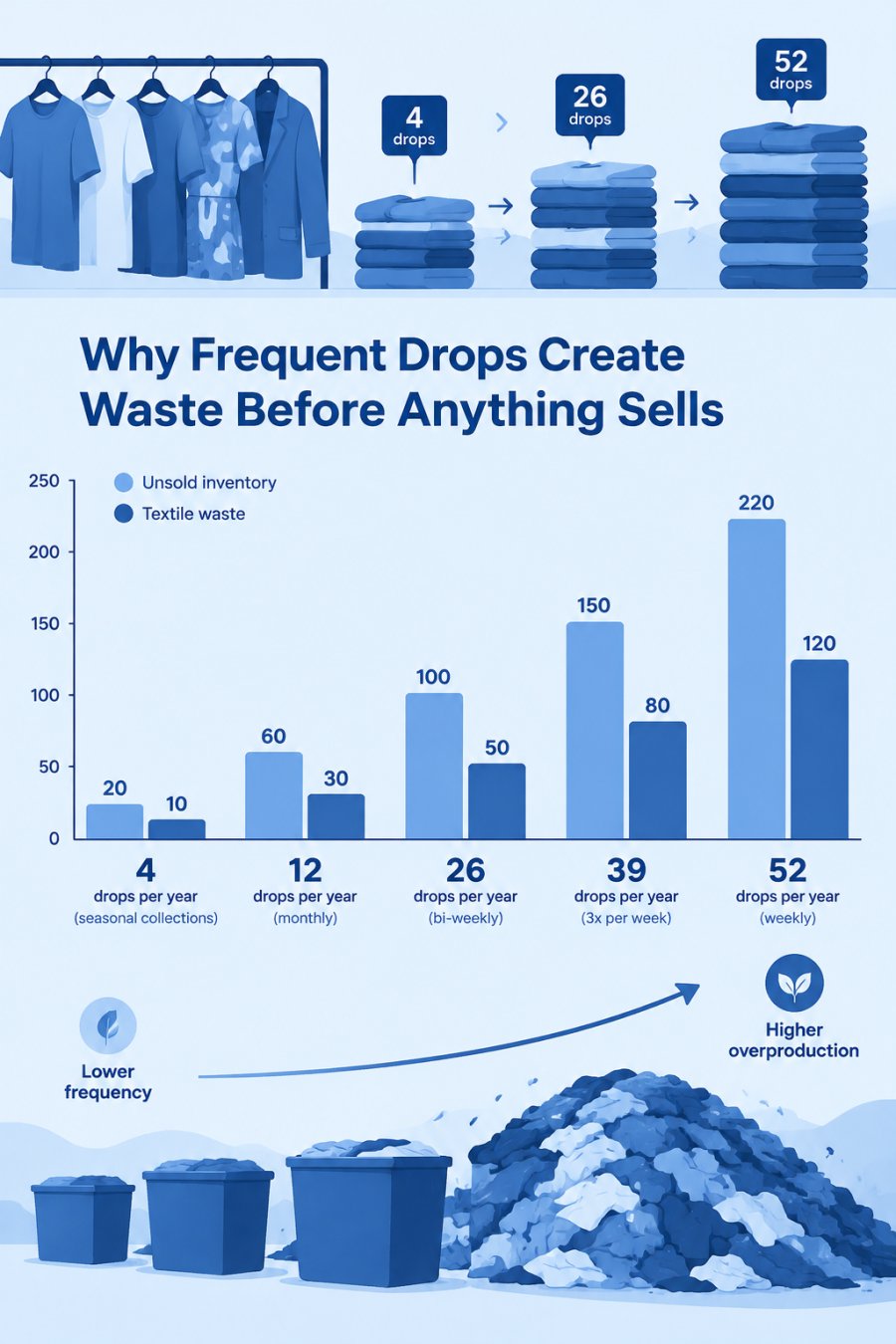
Returns compound it. A high return rate means reverse logistics, repackaging, and often resale at a loss or disposal. Frequent drops multiply all three: more overproduction, more returns, more unsold stock.
Water, Chemicals and Microplastics: The Hidden Footprint
Water consumption, water pollution, and microplastic shedding are the least visible parts of the fast fashion footprint. Textile dyeing and finishing consume water and release chemical by-products, some of them hazardous chemicals, into waterways where regulation is weak. Synthetic textiles shed plastic-based fibers in the wash, and those microplastics reach ocean pollution pathways that wastewater systems do not capture.
The EPA's materials and waste guidance is a useful starting point for understanding how textiles move through waste streams.
Solutions to Fast Fashion That Actually Reduce the Damage
General advice to "buy less and buy better" gives shoppers no way to measure whether a purchase or a brand is actually better, and gives brands no accountability beyond voluntary claims. This section offers measurable indicators shoppers can use to evaluate brands and brands can disclose to demonstrate progress.
Why General Advice Fails
"Buy less" is not a metric. A shopper who buys one poorly made garment that falls apart in a season has bought less than a shopper who buys three durable pieces, but the environmental outcome is worse.
The same applies to brands. A brand can claim to be sustainable while increasing production volume year over year, because no standard requires disclosure of the numbers that would reveal the contradiction.
Measurable Indicators for Brands
A brand serious about reducing its environmental impact should be able to disclose the following, and shoppers should ask for them:
- Production volume. Total garments produced per year, and whether that number is rising or falling. A brand that grows volume faster than revenue is not reducing its footprint, regardless of materials claims.
- Collection frequency. The number of distinct drops or collections released per year. High-frequency drop models are structurally incompatible with low overproduction, because they require committing to inventory before demand is known.
- Unsold-stock disclosure. The percentage of inventory that goes unsold and what happens to it: markdown, liquidation, donation, or destruction. Brands that do not track this cannot claim to be reducing waste.
None of these indicators is standardized across the industry, which is precisely why asking for them matters. A brand that can answer them is doing the internal work; a brand that cannot is relying on marketing.
Measurable Indicators for Shoppers
Shoppers can apply a parallel set of metrics to their own wardrobes:
- Cost per wear. Divide the purchase price by the number of times you expect to wear the garment. A $30 top worn five times costs $6 per wear.
- Years in service. Track how long garments actually last. A wardrobe where pieces last five years has a fraction of the footprint of one where pieces last one season, even if the initial purchases were more expensive.
- Repair frequency. Count how often you repair versus replace. A high repair rate signals durable construction and a functioning relationship with your clothes.
The Hierarchy Still Applies
The measurable indicators do not replace the basic hierarchy; they make it enforceable:
- Buy fewer garments, chosen deliberately, and measure the reduction
- Choose durable construction and fibers you can verify
- Repair and rewear before replacing, and track repair rates
- Resell or donate rather than discard, and check where donations actually go
- Recycle textiles as a last resort, recognizing that recycling infrastructure remains limited
Recycling deserves a specific caution. The EPA's textile recycling guidance notes that textile recycling rates remain low, and many donated garments are exported rather than reused domestically. Recycling is not a substitute for buying less.
What Shoppers Can Do Differently
The most effective consumer action is to shift from asking "is this sustainable?" to asking "can I measure this?" A brand that publishes production volume, collection frequency, and unsold-stock data is accountable in a way that a brand with a sustainability page is not. For readers looking for alternatives, our guide to where to buy unique colorful clothing covers concrete places to shop, and the checklist in the next section applies the same measurable approach to individual purchases.
A brand can disclose metrics selectively, publishing favorable numbers while omitting unfavorable ones. Ask for the full set, and treat partial disclosure as a signal rather than a solution.
A brand serious about reducing its environmental impact should be able to disclose these measurable indicators.
| Indicator | What to disclose | Why it matters |
|---|---|---|
| Production volume | Total garments produced per year, rising or falling | Growing volume faster than revenue is not reducing footprint |
| Collection frequency | Number of distinct drops or collections per year | High-frequency drops require committing to inventory before demand |
| Unsold-stock disclosure | Percentage of inventory unsold and what happens to it | Brands that do not track this cannot claim to reduce waste |
| Durability and repairability | Wear-life testing, repair services or spare parts | A garment designed for repair has a different lifecycle |
| Fiber sourcing transparency | Which fibers, from where, with what certification | Organic, recycled and conventional cotton have different impacts |
| Returns rate and reverse logistics | Percentage of orders returned and what happens to them | High return rates multiply transport emissions and disposal |
Choosing Limited-Edition Pieces You Will Actually Keep
Limited-edition clothing reduces a wardrobe's environmental footprint for a simple reason: it is designed to be kept.
Use this checklist before buying any limited-edition item:
- Is the fabric natural and substantial, not thin or slippery?
- Does the construction hold up at seams, buttons, and hems?
- Is the design distinctive enough that it will not date?
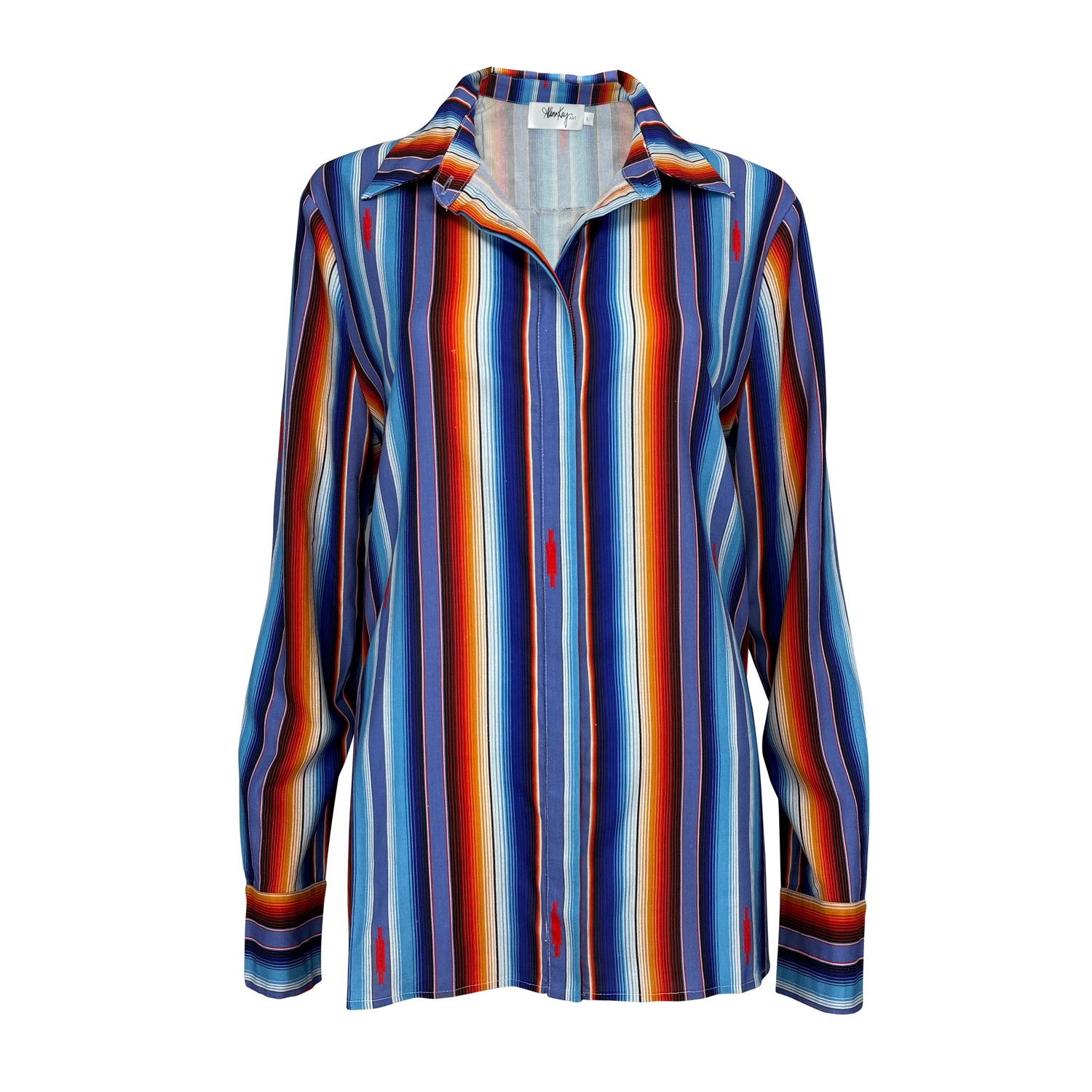
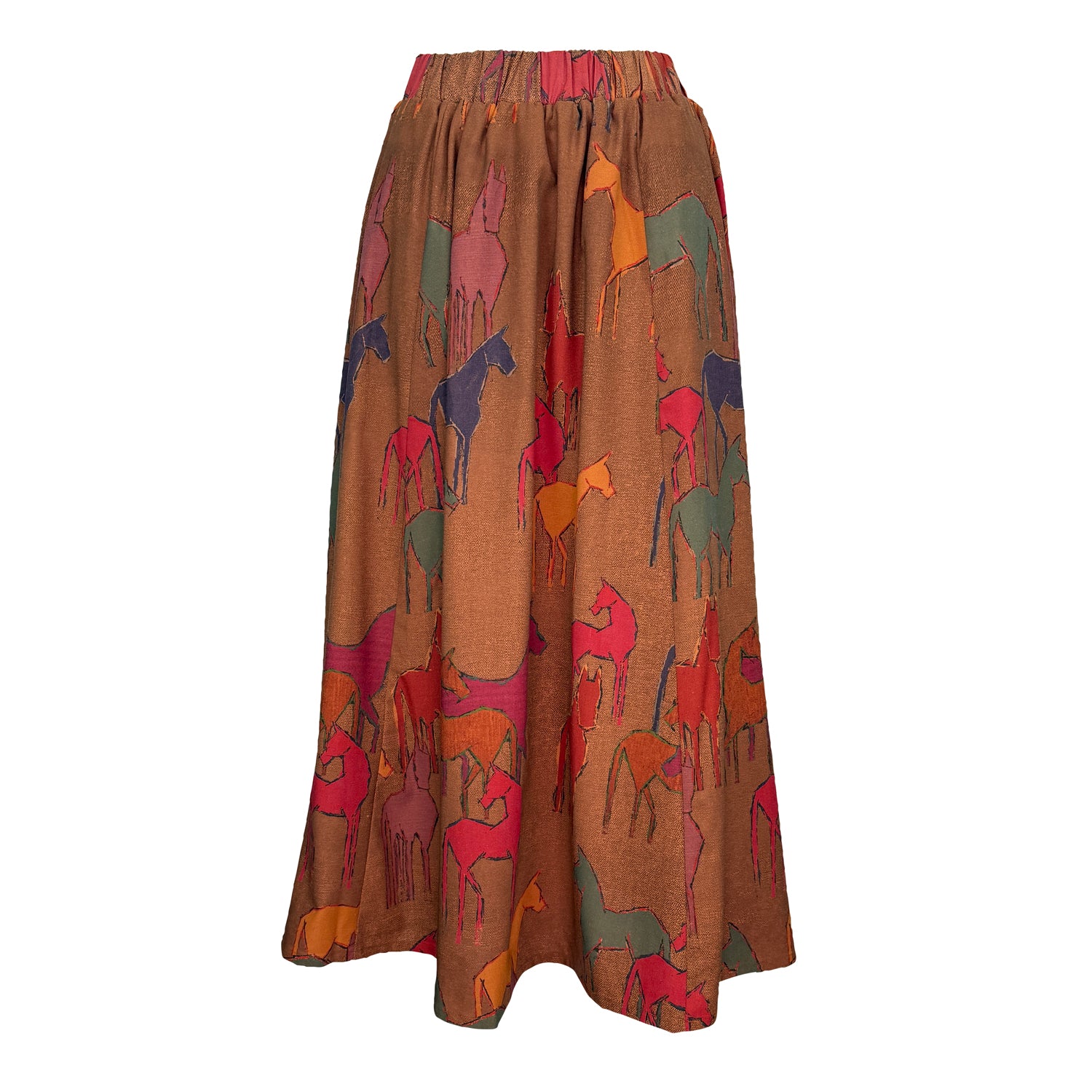
Our own answer to that checklist is the Button Up Blouse - Linen at $356.00 and the Elastic Waist A Line Skirt - Linen at $404.00, both made from a linen cotton blend.
The fashion industry will keep optimizing for speed unless shoppers stop rewarding it.
Frequently Asked Questions
What is a fast fashion drop and why does it matter for the environment?
A fast fashion drop is a limited-run product release, often weekly or biweekly, designed to create urgency and repeat visits. Drops matter environmentally because each one requires new sampling, small-batch production runs, packaging and shipping, plus marketing that pushes customers to buy again before wearing what they already own. The result is more overproduction, more returns and more clothing discarded while still wearable.
How do frequent clothing drops contribute to textile waste?
Each drop adds new SKUs, and forecasting that many small releases accurately is difficult. Unsold units get marked down, shipped to off-price channels or sent to liquidators, and returned items often cannot be resold at full price. Because drops shorten the perceived life of a trend, shoppers retire pieces faster. The waste shows up as unsold inventory, return logistics and clothing that reaches landfill or export markets long before it wears out.
Is fast fashion worse for the environment than slow fashion?
On a per-garment basis, slow fashion generally produces fewer emissions and less waste because pieces are made in smaller quantities from materials chosen for durability, and they stay in use longer. Fast fashion's impact comes from volume: rapid production, short trend cycles and low prices that encourage frequent replacement. A single well-made linen blouse worn for years typically has a lower life-cycle impact than several cheap tops worn a handful of times each.
What can shoppers do to reduce the environmental impact of clothing?
Buy fewer pieces and wear them more. Choose natural fibers and construction you can inspect, favor limited-edition or made-to-order releases over endless restocks, and check whether a brand publishes production details. Wash less often, air-dry, and repair before replacing. Supporting independent artists and small-batch makers keeps money with slower production cycles and gives you pieces worth keeping rather than replacing each season.

Leave a comment